Sabtu, 12 Januari 2013

Free PDF Star Wars: The Jedi Path: A Manual for Students of the Force

Free PDF Star Wars: The Jedi Path: A Manual for Students of the Force

To obtain this book Star Wars: The Jedi Path: A Manual For Students Of The Force, you might not be so baffled. This is on the internet book Star Wars: The Jedi Path: A Manual For Students Of The Force that can be taken its soft documents. It is various with the online book Star Wars: The Jedi Path: A Manual For Students Of The Force where you can order a book and after that the seller will send the printed book for you. This is the location where you can get this Star Wars: The Jedi Path: A Manual For Students Of The Force by online and also after having deal with investing in, you could download and install Star Wars: The Jedi Path: A Manual For Students Of The Force on your own.

Star Wars: The Jedi Path: A Manual for Students of the Force

Star Wars: The Jedi Path: A Manual for Students of the Force


Star Wars: The Jedi Path: A Manual for Students of the Force


Free PDF Star Wars: The Jedi Path: A Manual for Students of the Force

Move forward to be much better in reaching brighter future! Everyone will certainly feel this sensible word to come real for their life. The desire, however that's not a desire. This is an actual thing that all individuals can obtain when they really can do the life well. To make you feel effective to get to the future, some steps are needed. One of the steps that you can undergo is reading, specifically guide.

Full and valid become the feature of this publication. When you require something credible, this publication is primary. Lots of people additionally get Star Wars: The Jedi Path: A Manual For Students Of The Force as recommendation when they are having due date. Due date will certainly make someone feel so misery and anxious of their responsibilities and tasks. However, by reading this publication even little for little, they will be much more eased.

Are you thinking about mainly books Star Wars: The Jedi Path: A Manual For Students Of The Force If you are still puzzled on which one of guide Star Wars: The Jedi Path: A Manual For Students Of The Force that ought to be purchased, it is your time to not this site to try to find. Today, you will certainly need this Star Wars: The Jedi Path: A Manual For Students Of The Force as one of the most referred publication and many needed publication as resources, in other time, you could appreciate for a few other publications. It will certainly depend on your prepared demands. But, we constantly suggest that books Star Wars: The Jedi Path: A Manual For Students Of The Force can be a terrific problem for your life.

Even analysis is an easy thing as well as it's extremely straightforward without spending much loan, many individuals still really feel careless to get it. It becomes the trouble that you constantly face everyday. Hence, you should begin finding out how to invest the moment quite possibly. When it has the great book, you may love to review it. As instance is this Star Wars: The Jedi Path: A Manual For Students Of The Force, it can be your starter publication to learn analysis.

Star Wars: The Jedi Path: A Manual for Students of the Force

  • Published on: 1800
  • Binding: Hardcover

Star Wars: The Jedi Path: A Manual for Students of the Force PDF
Star Wars: The Jedi Path: A Manual for Students of the Force EPub
Star Wars: The Jedi Path: A Manual for Students of the Force Doc
Star Wars: The Jedi Path: A Manual for Students of the Force iBooks
Star Wars: The Jedi Path: A Manual for Students of the Force rtf
Star Wars: The Jedi Path: A Manual for Students of the Force Mobipocket
Star Wars: The Jedi Path: A Manual for Students of the Force Kindle

Star Wars: The Jedi Path: A Manual for Students of the Force PDF

Star Wars: The Jedi Path: A Manual for Students of the Force PDF

Star Wars: The Jedi Path: A Manual for Students of the Force PDF

Selasa, 08 Januari 2013

Free Download Web Journalism 2.0By Mr. Sunil Saxena

Free Download Web Journalism 2.0By Mr. Sunil Saxena

Starting to read this publication could begin your opportunity in doing this life much better. It will make you count on have more times or even more extra times in reading. Setting aside couple of times in a day just for analysis can be done as one of the initiatives for you to complete your tasks. When you will end the night prior to sleeping, Web Journalism 2.0By Mr. Sunil Saxena is additionally a good idea to accompany you.

Web Journalism 2.0By Mr. Sunil Saxena

Web Journalism 2.0By Mr. Sunil Saxena


Web Journalism 2.0By Mr. Sunil Saxena


Free Download Web Journalism 2.0By Mr. Sunil Saxena

If you are still back to back to find the best book to read, we have supplied a great book as candidates. Web Journalism 2.0By Mr. Sunil Saxena as one of the referred publications in this article can be delighted in currently. It is not only regarding the title that is very fascinating and brings in individuals to find reading it. And why we provide this publication to you is that it will be your friend along your spare time.

Attaching to the web and also starting to make handle getting this book can be done while having various other task or working or being someplace. Why? This moment, it is really simple for you to link internet. When you wish to obtain guide while doing other tasks, you can see the link as in this site. It confirms that Web Journalism 2.0By Mr. Sunil Saxena is really easy to get via visiting this website.

In this life, occasionally you require something that will certainly entertain you also it also gives the good values. Not all the important things need to be so stagnant and also complex to get advantages. Always remember this Web Journalism 2.0By Mr. Sunil Saxena as one of the sources that you can review. This is just what you can take from the book that we promote right here. It is additionally easy to obtain as well as discover guide.

Just what about the means to obtain this publication? So very easy! Web Journalism 2.0By Mr. Sunil Saxena is provided for soft data of the book. So, you can take it conveniently by downloading and install the book. Where? Take a look at the web link that we give and also just click it. When clicking you can find guide and also concern with it. Currently, your choice to choose this book to be yours is so straightforward.

Web Journalism 2.0By Mr. Sunil Saxena

"The dynamics and functions of the Indian media are no longer conventional and limited to print and television, thanks to the advent of new technology. Web Journalism 2.0 brings to the reader the fascinating world of New Media and Social Media, their nuances and their impact on communication. It ventures into the Gen Y trend of Social Media, also called the ‘Facebook or Google age’, and traces the journey of Web Journalism from its inception in India till today. As the book proceeds, the reader is given glimpses of how media is adapting itself to the new technology, and provides quick tips and facts on Internet Journalism. Imbibing the essence of the first edition Breaking News, Web Journalism 2.0 has a lot more to offer. It includes: • Journey of Web Journalism from the 1990s to 2012 including blogging and broadband • News writing and Headline writing explained in greater depth • An entire new section on writing news for the mobile • Explanation of the trending topics of Social Media in detail • A section on website creation with better insights and information • Chapter-end exercises for quick recap"

  • Published on: 2012-09-18
  • Dimensions: 9.00" h x .69" w x 6.00" l,
  • Binding: Paperback
  • 302 pages

About the Author
"Sunil Saxena has over three decades of experience in Print, New Media, Social Media, Mobile Journalism, Media Education and Media Research. He incubated Gaon Ki Awaaz, India’s first voice-based news and information service for rural India that won to South Asian awards and one National award for innovation. He is one of the first Indian journalists to move to New Media in 1998. As Vice President of the Internet Company of The New Indian Express Group, he set up 12 websites in five languages, and also set up the group’s online information and research service. As a print journalist, he has held key positions in leading Indian newspapers (the Times of India, The New Indian Express, and The Pioneer) and magazines (India Today, India Week). He is currently the Director of the Amity School of Communication, Amity University Rajasthan. Earlier, he was the Dean of the International Media Institute of India and of the Asian College of Journalism. He has also had two stints with the Times School of Journalism. As a researcher. He has conducted a study on the state of media in Malawi on behalf of UNESCO."

Web Journalism 2.0By Mr. Sunil Saxena PDF
Web Journalism 2.0By Mr. Sunil Saxena EPub
Web Journalism 2.0By Mr. Sunil Saxena Doc
Web Journalism 2.0By Mr. Sunil Saxena iBooks
Web Journalism 2.0By Mr. Sunil Saxena rtf
Web Journalism 2.0By Mr. Sunil Saxena Mobipocket
Web Journalism 2.0By Mr. Sunil Saxena Kindle

Web Journalism 2.0By Mr. Sunil Saxena PDF

Web Journalism 2.0By Mr. Sunil Saxena PDF

Web Journalism 2.0By Mr. Sunil Saxena PDF

Senin, 10 Desember 2012

Ebook Mexico: The Cookbook, by Margarita Carrillo Arronte

Ebook Mexico: The Cookbook, by Margarita Carrillo Arronte

When someone could supply the existence of this book, you can get this publication asap. It will certainly not need many times, again. It will certainly provide you reduce ways. This finest sold publication from the most effective author actually involves bone of wanted and also wanted publication to inspire. Mexico: The Cookbook, By Margarita Carrillo Arronte as the new book can join this globe correctly. And also currently, follow us to get this fantastic publication.
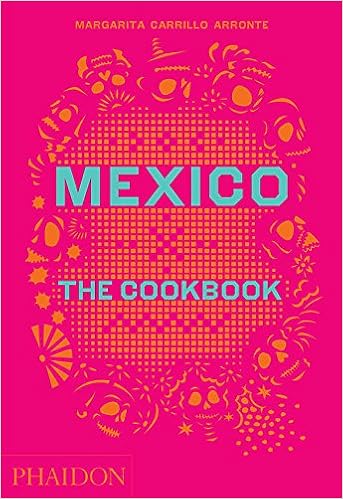
Mexico: The Cookbook, by Margarita Carrillo Arronte

Mexico: The Cookbook, by Margarita Carrillo Arronte


Mexico: The Cookbook, by Margarita Carrillo Arronte


Ebook Mexico: The Cookbook, by Margarita Carrillo Arronte

Whatever to believe, no matter what to do! When you ready visitor, you might love all books to review. But, lots of people also like only to review specific books. And here, when you end up being the follower of Mexico: The Cookbook, By Margarita Carrillo Arronte, this is your time ahead over the presence of the book to stand for the perfections. Right here, the book is positioned with the design of our internet site. When it is the online sit, it will certainly assist you to find the soft data from the books.

Now, your time is to create the different environment of your daily life. You might not feel that it will be so silent to know that this book is definitely yours. As well as just how you could wait for the book to read, you could just find the link that has actually been supplied in this website. This site will provide you all soft copy fie of guide that can be so easy to learn about. Associated with this condition, you can really recognize that the book is linked always with the life and future.

The Mexico: The Cookbook, By Margarita Carrillo Arronte will also sow you excellent way to reach your perfect. When it happens for you, you could review it in your spare time. Why don't you try it? In fact, you will certainly not know how precisely this book will certainly be, unless you review. Although you don't have much time to finish this book quickly, it really does not have to end up hurriedly. Choose your precious free time to make use of to read this publication.

Nonetheless, reviewing the book Mexico: The Cookbook, By Margarita Carrillo Arronte in this site will lead you not to bring the printed book almost everywhere you go. Just keep guide in MMC or computer system disk and also they are available to check out whenever. The thriving heating and cooling unit by reading this soft documents of the Mexico: The Cookbook, By Margarita Carrillo Arronte can be introduced something new practice. So now, this is time to verify if reading could boost your life or not. Make Mexico: The Cookbook, By Margarita Carrillo Arronte it certainly work as well as obtain all benefits.

Mexico: The Cookbook, by Margarita Carrillo Arronte

Review

"For those interested in learning how to make authentic Mexican cuisine, Arronte has provided the definitive guide."—Publishers Weekly Top Ten Cookbook (Fall 2014)"All my life I have wanted to travel through Mexico to learn authentic recipes from each region and now I don't have to - Margarita has done it for me!"—Eva Longoria"Absolutely wonderful. I wish I could close my door and read it all day."—Nancy Wall Hopkins, Senior Deputy Editor-Food & Entertaining"Hasta La Vista, Tex Mex."—Better Homes and Gardens"Mexico: The Cookbook may kill your taste for supermarket salsa for good."—Elle Magazine"Mexico: The Cookbook promises to introduce even the biggest fans of tort as and tamales to something new about Mexican cuisine and aims to prove that it can be as refined as it is accessible."—Time.com"Exquisitely beautiful and encyclopedic."—T Magazine Essential"Your go-to guide to Mexican home cooking."—Tasting Table"I have long been an admirer of Margarita Carrillo's work. In her new book, her warm and expert voice shines and proves to be a most delightful guide through the fascinating labyrinth of Mexican cuisine. Every cook, be it expert or beginner, will benefit and savor from this splendid Mexican cookbook with hundreds of tried and true recipes: a must for any Mexican food lover."—Pati Jinich"Margarita is the embodiment of everything that I love about Mexico and her food is delicious. A definite hero."—Thomasina Miers"A mammoth 700 page collection of Mexican recipes... A 'food bible'."—Publishers Weekly"Might just be the most comprehensive cookbook on the country's cuisine ever published."—The Sunday Times Travel"Definitive... Even the most learned Mexican food expert would be pushed to think of a dish not already listed. A beautiful book in both design and substance... Can't be faulted."—The Culture Trip"...With its laser-cut hot pink cover, I can only tell you the recipes beneath it are just as divine."—sfgirlbybay"The Mexican home-cooking bible (and the most beautiful book)."—DomesticSluttery"This weighty book includes more than 600 recipes for home-style Mexican dishes, and its vibrant cutwork cover adds spice, energy, and cheer to any cookbook shelf."—Allrecipes"I heard Margarita Carrillo Arronte was the authority on Mexican food, so I got this cookbook and never looked back. The salsa is so good it makes all supermarket-bought salsa seem tasteless and insipid by comparison, and her traditional taco recipes are incredible and perfect for summer eating."—The-Pool.com

Read more

About the Author

Chef and restaurateur Margarita Carrillo Arronte was born into a large family who respected their deep cultural and culinary roots, and has devoted nearly 35 years to help traditional Mexican cuisine find its way to every corner of the world. She has lectured about Mexican food at schools including The Culinary Institute of America and Le Cordon Bleu; served as Vice‐President of the Mexican Conservatory of Gastronomical Culture; and acted as an official representative of Mexico for the G‐20 summit in Los Cabos. She is also a published author who has hosted several food shows for the El Gourmet channel in Mexico. Chef Margarita currently lives with her family and four dogs in Mexico City.

Read more

Product details

Hardcover: 704 pages

Publisher: Phaidon Press; 1st Edition edition (October 27, 2014)

Language: English

ISBN-10: 0714867527

ISBN-13: 978-0714867526

Product Dimensions:

7.2 x 2.5 x 11 inches

Shipping Weight: 5.2 pounds (View shipping rates and policies)

Average Customer Review:

4.1 out of 5 stars

237 customer reviews

Amazon Best Sellers Rank:

#72,088 in Books (See Top 100 in Books)

Love the classic recipes. Many recipes I had forgotten & some were new. Easy to follow. Nice house warming gift.

I would like to make clear from the outset that this is not a slam against the author; it is, however, an honest and detailed critique of the editors of Phaidon Press, who seem to have been absent from work on the day this book passed through the department.Diana Kennedy's negative comments about this book seen elsewhere in this column of reviews have nothing to do with any sort of vendetta or "sour grapes." She is upset, as am I, because of the great disservice this book does to the understanding of regional Mexican cuisine beyond the country, an understanding that Diana has worked hard to build since the 1950s. The book is full of egregious errors, cover to cover, in fact on almost every page. Phaidon seems to have spent more money paying "star chefs" and trendy consumer magazines like Vogue to provide blurbs that rev up the excitement for this mess of a cookbook than they did on the real work of production.First, some full disclosure: I am the author of Yucatán: Recipes from a Culinary Expedition (The William and Bettye Nowlin Series in Art, History, and Culture of the Western Hemisphere). In this critique, I will address some of the glaring errors found throughout Mexico: The Cookbook, but will mostly confine my comments to my area of expertise, which is the gastronomic traditions of the Yucatán Peninsula. I am a friend and colleague of Diana Kennedy. While I do not know Margarita Carrillo Arronte well, we did meet in early October 2014, when we both served as judges for an event of traditional gastronomy in Morelia, Michoacán. I found Margarita to be a charming and affable lady, very bright, pleasant to be around, and I have nothing against her whatsoever. In fact, all of the grave errors I will highlight in this critique (and all the rest that don't fit) I suspect are the fault of the editors of the publication; I have even pondered if perhaps the book were ghost-written, since obviously the text was not written by anyone who knows the regional cuisines of Mexico to any degree. And to be sure, the recipes were not thoroughly tested.If you keep reading this, you will find details on many rather serious errors in recipes: some of these errors have to do with quantities, instructions, etc.; others have to do with more lamentable mistakes about the canon of Mexican gastronomy. A few reviewers in this column have written to me with their opinions and have said basically "Hey, dude, relax, don't take it that seriously. I just use the recipes as a base, then make modifications to taste." That's fine if you are making something for which you have some taste experience (maybe meatloaf?) - but for so many more exotic dishes, including Papadzules (below), if you don't know what it is to begin with, how could you possibly make these modifications? You will simply wind up with something on your plate that is anything but "authentic regional Mexican cuisine." It would be like making coq au vin from a vague recipe that specifies chicken and something alcoholic, and thinking to yourself, "Gee, I think I'll use ground chicken instead of cock, and beer instead of wine." It just won't be right - or French. Those who wish to understand authentic Mexican cuisine should be just as precise in their approach as they would be to Italian, French, Thai, or any other international cuisine.As one quick example to satisfy your curiosity, many people know how to make guacamole; maybe they have even done it so many times they don't need to follow a recipe. Check out this author's recipe for guacamole on page 40. Maybe you will like this nice, fattening version. The ingredient list specifies "1 avocado, diced". Is the author (or editorial team) aware that avocados come in a wide range of sizes and weights? Any clues for us home cooks? This recipe is supposed to serve four. In my experience, you should plan on at least one-half medium avocado per person, unless each diner is going to be satisfied with about 1 tablespoon of guacamole. A bizarre instruction tells the cook to "gently fold in the avocado" (which you will recall was diced). No mention of mashing it? Did you ever have guacamole served tableside and watch how the waiters mash everything in the molcajete? The author-slash-editorial team instructs the cook to add 4 tablespoons of olive oil at the end of the recipe. That is one-quarter cup! Eighty-five percent of the calories in avocados come from fat, so I hardly think more is necessary, or even desired. And remember that lonely little single avocado? It has been diced, "folded in" (to 1/2 chopped red onion of indeterminate size) and now the cubes are apparently swimming in a quarter cup of olive oil! Some pop chefs like Tyler Florence may use olive oil in their guacamole, but I can aver that it is not traditional, nor even necessary, unless you want to increase your fat intake.The recipes for Yucatán are equally messy, and quite simply incorrect. The recipe for "Turkey with black stuffing" (Pavo en relleno negro) on page 341 bears absolutely no resemblance to the dish as it is prepared in Yucatán. Putting any notions of "authenticity" aside for the moment, I pity the poor home cook who tries to make this recipe. Visualize these instructions along with me: First, the author specifies in the ingredient list an 8-pound turkey. In 2005, the USDA reported that the weight of the average turkey was 28.2 pounds. The author's recipe supposedly serves 10. Martha Stewart (if I may refer to her) says that you should purchase 1 ½ to 2 pounds of turkey per diner. So at the very least, this recipe should call for a turkey weighing about 15 pounds. Therefore, on both counts, I'm not sure where the notion of an 8-pound turkey came from. Now, back to this bird. We are supposed to stuff this 8-pound bird with 6 lbs. 10 oz. (almost 7 pounds) of ground pork! Do we really think there's room in there, since with those quantities the stuffing would be a full 87.5% of the volume of the turkey itself? In the middle of the recipe is this peculiar instruction: "Stuff the turkey with the pork mixture and the hard-boiled egg yolks and sew up with trussing thread." OK. So I have a turkey full to the rim with ground pork; where exactly are the 5 egg yolks supposed to go? Do I shove them into the opening of the bird, forcing them deep into the ground meat? Or just cluster them together at the opening? So when I serve, do I scoop out some of the pork and get all these yolks in one serving? Do I cut the yolks in half in order to give one-half to each diner? None of these details are mentioned. At the beginning of the recipe we are told to use 2 oz. of red chiles. Any kind preferred? Dried? Fresh? (And remember that chiles can vary widely in heat intensity, so the type of chile would seem to be an important detail.) Further, as another reader expressed here, no Mexican cookbook of any merit would specify something as vague as "red" or "green" chiles. Mexican cooks take chiles very seriously, and are quite specific about which to use, and when. What's more, each region of Mexico boasts its own unique chile varieties that local cooks put to good use. And I thought this was supposed to be THE definitive "regional Mexican cookbook." In another place in the recipe, the author also specifies Tabasco chiles: not only are Tabasco chiles not used in Yucatán, they are not even available. Next, we are told to put the "red chiles" along with two heads of ROASTED garlic and 25 tomatoes into a roasting pan and roast for 15 minutes at 350ËšF. (The garlic should be roasted two times?) Twenty-five tomatoes are going to exude lots of juice; how are the chiles and garlic supposed to roast in all that liquid? And what, may I ask, are you going to do with those 25 tomatoes? Ah, at the end of the recipe, we slice 10 of them to use in a sauce. Did you ever try to slice a roasted tomato? Not to mention the mystery of slicing tomatoes that are going to be puréed. And let's not leave out the most peculiar instruction of all: in order to cook the 8-pound bird (filled with almost 7 pounds of ground pork) we are supposed to place the stuffed turkey in a "large saucepan or flameproof casserole." Even my largest saucepan won't hold a whole chicken of any size, let alone a turkey (albeit a dwarf one.) Most perplexing of all, this recipe for Pavo en relleno negro bears no resemblance to the dish as it is known in Yucatán. For that classic dish, cooks use a pitch black paste made of charred, ground chiles, known as "recado negro." It is readily available commercially beyond Mexico, so I can't imagine why the author didn't specify it. Note the name of the dish: "Turkey with black stuffing." There is not one step or ingredient in the recipe that will yield a black stuffing. Only the recado negro can do that. Further, in Yucatán cooks do not stuff the turkey with ground meat; instead, they form several large meatballs, each with an egg yolk in the center; the meatballs cook along with the turkey in a piquant black sauce; to serve, you cut the meatballs in half and give one half to each diner; the little hard-boiled egg yolk peeks out from the center, surrounded by graphite-colored meat. All of the rest of the instructions and ingredients are incomprehensible, and will yield, as far as I can tell, a turkey cooked in tomato sauce; Yucatecans would look at such a dish as though it had been served from outer space since there are no "turkey-in-tomato-sauce" dishes in Yucatán whatsoever.On page 81 you will find a recipe for a classic Yucatecan tamal: Brazo de Reina (or "queen's arm"). As the name humorously suggests, this is a large, long log- (or arm)-shaped tamal, rolled jelly-roll-style and sliced. It is not - as the recipe instructs - prepared as several individual tamales (we are not told how many). Further, to serve with the tamales, we are supposed to make Chiltomate, a charred tomato sauce mashed in a molcajete that in Yucatán is only served with a couple of dishes including grilled pork cutlets and a local sausage - never with tamales. But that is not where the strangeness ends. To prepare this sauce, we have an ingredient list of "4 ripe tomatoes, 1/2 onion, chopped, 1 habanero chile . . . 1 sprig epazote leaves, sea salt." The first paragraph of the instructions reads: "For the Chiltomate, combine the tomatoes, onion, chile, and epazote leaves in a saucepan and cook over medium heat for 10 minutes. Season to taste, discard the epazote, and process the mixture in a food processor or blender." OK. Whole, dry tomatoes go into a saucepan with no liquid? I guess they are resting on a bed of chopped onions? How do you pick out wilted leaves of cooked epazote? What is the "mixture" we are supposed to pour into the blender since nothing has actually been "mixed"? A final bizarre touch is to add "habanero or Morita chiles" to the tamal when you roll it up. Not only would heat-loving Yucatecans be shocked to find bits of fiery hot chile in their tamales, but also Yucatecans never use the Morita chile, nor is it even available here to any extent. Wrong region. And to add insult to injury, the instructions have you sprinkle cheese onto the tamal before serving! Diós mío - cheese is only rarely used in Yucatán (think of all that tropical heat) and it is NEVER used on tamales. I think it might be considered a punishable offense.Some more Yucatecan messes: First, there is no dish in Yucatán called "Yucatán-style quail in vinegar." If you wish to remain true to the regions of Mexico (as all the media hype promises, even Eva Langoria), then the author or editors should alert readers that this is an invention and not "authentic regional Mexican cuisine". Now let's follow some of the instructions: "When the charcoal is red, cover it with avocado leaves. Top with the quails and cook . . . " So, if I put the dried avocado leaves directly on the hot coals, won't they start to burn? Am I supposed to "top" the burning leaves with the quail? There is also considerable confusion about onions. Two are specified in the ingredient list: one is "large", one is just . . . regular, I guess; both are "thinly sliced." After preparing the marinade, we are instructed to "cover each bird with sliced onion." While the coals are pre-heating, we are told to cook the onions over medium-low heat. Which onions? The "large" one or the regular-sized one? Am I supposed to pick the onions off the quails that have marinated overnight and cook those in the skillet? Or should I leave them on the quails (secure with a toothpick?) before I "top" the burning leaves with the quails? (What indeed do I do with those darn onions??) Finally, the ingredient list specifies two kinds of vinegar, pineapple or apple cider (we use neither in Yucatán with any frequency) and also sugar cane vinegar (which we do use) but the instructions make no mention of which to use, and when (there are two different times when you add vinegar).The description of Yucatán's underground oven, known as a p'íib, given on page 30 is basic at best: "A large fire is lit above a hole lined with stones." How do you light a fire above a hole? And it erroneously states that "pibil" means "buried." It doesn't. "Pibil" is an adjective that describes foods that were cooked in a p'íib. The Mayan word for "buried" is "muuk."On page 493, there is a recipe for Papadzules. The "REGION" listed is "Guanajuato." Oh, my! The people of Yucatán (and Guanajuato) will be quite surprised to read that! This is a classic dish of Yucatán, which even a simple "Google" search will reveal. Worse still, the author/editor has you purée some stewed tomatoes with squash seeds (referred to as "seeks" in the recipe) to create the sauce; this is definitely not the way it is done in Yucatán. Instead, a squash seed paste is mixed with a simple infusion of salted water and epazote. The tomato sauce is cooked separately and spooned on at the end. In short, there are two sauces for Papadzules: one green, the other red. This is what makes me suspect these recipes were copy/pasted by editors who know nothing about the cuisine. They read something about tomatoes in another recipe, couldn't figure out what to do with them, so included them in the squash seed sauce. Even the photo in the book is wrong. Again, "Google" photos of Papadzules and you will see those iconic two sauces: the main sauce, which is always a pale green color (the natural color of the squash seeds and to some extent, the epazote) and the bright red tomato sauce. No tomatoes are ever included in the squash seed sauce; instead, as you will see in your "Google" photo, the tomato sauce is spooned over the light green sauce. There is a single sauce in the photo in the book and it is a kind of salmony color (thanks to those incorrect tomatoes.) I have shown the photo in the book to almost a dozen of my Yucatecan friends, and with no coaching, they all have the same immediate reaction: they gasp and say "¡QUÉ!??" (What!!!??? expletive deleted). Just one brief glimpse of the photo leaves them incredulous as to what on earth the editors (cooks, food stylists) have done with Yucatecans' treasured Papadzules, which have a very distinctive appearance due to those red and green sauces. Yucatecans take this "adaptation" as a form of culinary heresy, since Papadzules are considered to be the hallmark of Maya cooking and are therefore taken very seriously.All of the other Yucatecan recipes I found were equally careless and wrong. (The author/editorial team specifies an ingredient called "black achiote paste" on page 398; good luck finding that in your ingredient searches, since there is no such thing. Achiote, also known as "annatto", is as red as blood!) Diana Kennedy and I have jointly gone through the book cover to cover and unearthed literally scores of such errors: sloppy instructions, editorial faux pas, and worse, an apparent ignorance of traditional regional Mexican dishes - or at least an inability to describe them and explain how to make them.Now for a "short list" of editorial messes and factual errors (the fact-checker must have missed work that day, too):INDEX: The index is impossible to use. If you want to look up a state (such as Yucatán) you will only find a couple of entries, although there are many more recipes from Yucatán scattered throughout the book.REGIONS: Each recipe has a bold title at the top saying REGION, and then a word like "Veracruz," "Colima" "Tamaulipas". These are STATES, not regions. Readers are already confused about Mexico; please, Phaidon, don't add to the general confusion.(In a humorous aside, REGIONS in other parts of the book have unusual descriptors. Rather than states, on pages, 471, 472 and 491 it is listed as FALTA [no, folks, "FALTA" isn't a state or a region for that matter; it means "missing" in Spanish, so someone forgot to add it]. On page 544 it says "BUSCAR QUERETARO" ["buscar" means "look it up" so someone wasn't sure which state, forgot to check, then forgot to change the text!])PAGE 15:- The author/editorial team list indigenous herbs, and cilantro is included in the list. Cilantro was introduced to the Americas sometime around 1580; it is not indigenous. (See William Dunmire.)PAGE 19:- Stew is the "more rustic cousin of mole"? They are simply two different things. And many forms of mole existed before the convent elaborations of the 17th century. Mole was NOT invented in the 17th century. (Unless you believe the only mole in the world is mole poblano . . . )- "Huarachas"? I believe the more common spelling is "huaraches."PAGE 23:- "In the 1960s, Mexico's tortillerías . . . started to use machines to roll out and cook tortillas." The first commercially successful one was invented in 1947 by Fausto Celorio and they were in use almost immediately thereafter (see Jeffrey Pilcher).PAGE 25:- "The traditional cuisine of each region of the country is not just the ingredients, preparation methods and utensils, it is (sic) the rich legacy of its history and cultural identity." Unfortunately, the author makes no mention anywhere in the rest of the book about the cultural identity or history of the cuisine, in other words, no credit for the people who invented this cuisine. (And note the grammatical error of the missing "also". These kinds of editorial errors are common throughout the book.)PAGE 30:- Yucatán was ". . . heavily influenced by the European ships that stopped by for fresh water."??? Oh, dear. European ships came to Yucatán for extensive trade in logwood, chicle, and a host of other valuable products. Campeche on the Gulf Coast of the Yucatán Peninsula was a major trade port for centuries; those ships hardly just "stopped by". While the Europeans aboard those ships may have also collected fresh water, that was not their primary reason for coming here, and the statement is a great oversimplification. Also, can a place actually be "influenced by ships", European or otherwise? More editorial carelessness.- Sorry, the habanero is no longer the world's hottest chile! That title was stolen about 2 decades ago. In 1994, the Red Savina claimed the title. It has almost 1,000,000 Scoville Heat Units while the measly habanero tops out at 350,000 or so. And since 2000, a new "world's hottest chile" is released every year or two.PAGE 36:- Measurement inconsistency. Masa dough: ½ cup water = 4 fl. oz. For tortillas: 1 cup water = 9 fl. oz. In truth, in the Standard US system 1 cup = 8 fl. oz.And why for masa is it 4 1/3 cups masa harina to ½ cup water, whereas for tortillas (which also employ masa) it is 5 cups masa harina to 1 cup water? That's not proportional. Also, I beg you to try rolling dough made from masa harina using a rolling pin. Next to impossible. It has no gluten and is impossibly fragile. Stacking rolled ones between layers of waxed paper? They would stick terribly and tear apart when you try to dislodge them. Besides, raw tortillas are not made in quantities that way; each tortilla is formed into shape and immediately cooked on the comal. The cooking (even on just one side) firms them up so that you can flip them; without the cooking (even when made from proper nixtamalized maize masa) tortillas are terribly fragile.PAGE 37:- Tortillas de harina (wheat flour tortillas). All regions? No, we do not eat them in Yucatán, and in all my journeys throughout Mexico I have never seen them except in the north. That is, unless you go to a "northern-themed" restaurant with arrachera and that sort of thing. And why is the baking powder "optional"? Is there something I should know? To use, or not to use? Wouldn't baking powder be considered a key ingredient, and not optional? It's rather like having a recipe for French baguettes and listing yeast as "optional." (The funny reader who compared the author to Julia Child obviously never read Child, who provides completely detailed explanations and reasons for every step and ingredient.)- Gorditas, all regions? Again we do not have anything resembling gorditas here in Yucatán. The author tells how to cook them, slit them open and "keep them warm until serving" . . . but how do you serve them? Wherever gorditas are served throughout Mexico there are a zillion different fillings and ways of finishing gorditas - none of which is even mentioned here. This recipe simply produces a thick, hollow tortilla - not a gordita.Dear readers, I could go on and on but alas, I'm tired (and you probably are, too)! Again, I blame a lot of this on Phaidon and their editors. Look, they already have "Mexico: The Cookbook"; "India: The Cookbook" (with 1000 recipes!); "Thailand: The Cookbook"; and soon to be released, "Peru: The Cookbook", and God knows how many other "Name-That-Country: The Cookbook" projects are on the conveyor belt. (Check out very similar complaints from Amazon readers about these other books.) With this kind of "factory" mentality, it's no wonder that this book slipped past Quality Control. Pretty covers (which this book indeed has) don't make for reliable or even usable information. I'm sure Phaidon is crying all the way to the bank.May the intelligent and thoughtful reader beware. The marketing hype for this book is over-the-top crazy! I like Eva Longoria as an entertainer as much as the next fellow, but she obviously never tried to cook from this book. And really, what an embarrassing statement to say, "All my life I have wanted to travel through Mexico to learn authentic recipes from each region, and now I don't have to - Margarita has done it for me!" Maybe Mexico should consider itself lucky that you don't have to travel here, Eva! (To get past the shame of that statement, I'm going to pretend that a PR agent wrote it for her, and not Eva herself.) (Buyer beware, too. Check out all the reviews entitled FIVE STARS with one-word "critiques" like "Fabulous!" Notice how many "FIVE STARS FIVE STARS FIVE STARS" there are in a row. I don't mean the ranking, I mean the title of the critique. There are 19 of these phony reviews as of 5 January. I would imagine these reviews are "planted" by Phaidon. And not very cleverly at that. I'm sure they have one of their interns - perhaps one of those who worked on this book - sitting at the computer cranking out the "critiques." )Here is my apprehension: that people will read this book and think it is a good representation of "authentic regional Mexican cuisine." I hope this critique has illustrated that it falls far short of that goal. Anyone who uses this cookbook as a "bible of Mexican cooking" is on a slippery slope to culinary Perdition.Finally, if indeed (as I suspect and hope) this book was ghost-written, or at least compiled and cut-and-pasted together by a team of 20-something Phaidon editors, Margarita Carrillo Arronte should be embarrassed to have her name attached to it. After all, she participated in the push to get Mexican cuisine designated as an Intangible Cultural Heritage by UNESCO, for which she is to be congratulated. This book undermines that great accomplishment.

I keep trying recipes from this book because I want them to work. But over and over I have found that the recipes are so poorly edited that if I weren't a very experienced cook, I would not be able to figure out what to do. Additionally, poor translations are given for the Spanish names for ingredients... for example the Pollo en Azafran that's supposed to be a dish from Chiapas. My experience in Mexico is that "Azafran" is tumeric rather than Spanish saffron. A little looking around the Internet suggests that tumeric would probably be the likely ingredient in Chiapas. Where were the editors? Didn't they have a professional who was helping the chef create the recipes? Didn't they have a person checking each and every recipe for accuracy? I feel sorry for the author...and for readers... that such a poor book was the result of what was surely a lot of work. I do wish that I had not bought the book and hope that anyone considering it will take a very careful look at the recipes. It's just sad.

This is a gorgeous looking cookbook. I love Mexican food and neon colors, so I thought this cookbook and I were meant to be. However, after reading through multiple recipes, I'm torn on whether I will actually keep the book. Full disclosure: I have yet to cook any recipe from the book. Yes, you can think that invalidates my review. Hear me out though, I am writing this review to alert people to the style and editing issues.As mentioned in another review, there is no intro for recipes. It is the list of ingredients, region, prep/cook time, serving size, and directions. I understood this before purchasing, but I do wish there was at least a couple sentences introducing the recipe. That would greatly add to each recipe and the overall book.Absolutely my main issue with the book is the editing/organization. I cannot begin to comprehend the poor editing and how this made it to publication with all the issues (not just 1 or 2...). For example: pages 550 and 611 are the SAME recipe (Corn cake with eggnog sauce). Except the recipe on page 611 is only titled Corn cake, but in the directions it tells you to make the eggnog sauce. Too bad it doesn't even list the ingredients for the sauce, so you have to turn back to page 550, which is actually the correctly edited version of the cake. The Veracruz-style fish recipe on page 253 lists the ingredients and directions to make a spice infusion. However, it never tells you when to use it. Do you use it in the sauce or to marinate the fish? If so, when and how much? Under the "To serve:" ingredients olives are listed twice (1/2 cup olives vs. 12 pitted green olives, sliced). What does that mean? Do you need two separate types of olives. If so, is the first olive listed a black olive? In addition, it annoys me when the accompanying photo doesn't match the recipe; the recipe says to use red snapper fillets, yet the photo is a whole red snapper. I mean seriously come on now...That is just two examples of numerous editing mistakes I've seen: ingredients missing yet called for in directions, different ingredients in directions than listed in the ingredients list, missing directions altogether, etc. Also the organization is just weird. Why list two separate "Day of the Dead" bread recipes with 4 recipes between them. You should list them with one right after the other. That way a reader can easily compare and contrast the difference between the two recipes.So overall like I said, I don't know if I'll keep the cookbook. I am a very experienced cook but not with Mexican cuisine. Hence me buying the book. If you are very experienced with Mexican cuisine then this could still be a great cookbook for you. Overall the recipes look and sound fantastic. Part of me wants to just keep the book and fix the mistakes as I make the cook my way through it. It's just so frustrating to spend nearly $30 on a cookbook for it to be so poorly edited and put together. Either information needs to be published online addressing all the errors or a second (fixed) edition should be published.

Mexico: The Cookbook, by Margarita Carrillo Arronte PDF
Mexico: The Cookbook, by Margarita Carrillo Arronte EPub
Mexico: The Cookbook, by Margarita Carrillo Arronte Doc
Mexico: The Cookbook, by Margarita Carrillo Arronte iBooks
Mexico: The Cookbook, by Margarita Carrillo Arronte rtf
Mexico: The Cookbook, by Margarita Carrillo Arronte Mobipocket
Mexico: The Cookbook, by Margarita Carrillo Arronte Kindle

Mexico: The Cookbook, by Margarita Carrillo Arronte PDF

Mexico: The Cookbook, by Margarita Carrillo Arronte PDF

Mexico: The Cookbook, by Margarita Carrillo Arronte PDF

Sabtu, 01 Desember 2012

PDF Ebook Lead from the Heart: Transformational Leadership for the 21st CenturyBy Mark C. Crowley

PDF Ebook Lead from the Heart: Transformational Leadership for the 21st CenturyBy Mark C. Crowley

When you can involve the here and now books as Lead From The Heart: Transformational Leadership For The 21st CenturyBy Mark C. Crowley in your gadget data, you can take it as one of one of the most material to check out and enjoy in the leisure. In addition, the convenience of method to read in the device will sustain your problem. It does not close the chance that you will not get it in larger reading material. It indicates that you just have it in your gizmo, does not it? Are you kidding? Finding the book, than make bargain, as well as conserve guide will not just make more suitable system of analysis.

Lead from the Heart: Transformational Leadership for the 21st CenturyBy Mark C. Crowley

Lead from the Heart: Transformational Leadership for the 21st CenturyBy Mark C. Crowley


Lead from the Heart: Transformational Leadership for the 21st CenturyBy Mark C. Crowley


PDF Ebook Lead from the Heart: Transformational Leadership for the 21st CenturyBy Mark C. Crowley

Seeking the brainwave ideas? Need some books? The amount of publications that you require? Below, we will certainly ere one of it that can be your brainwave suggestions in deserving usage. Lead From The Heart: Transformational Leadership For The 21st CenturyBy Mark C. Crowley is exactly what we imply. This is not a way to earn you straight abundant or smart or amazing. Yet, this is a fashion to always accompany you to always do as well as get better. Why should be much better? Every person will certainly should achieve wonderful progress for their way of living. One that can influence this case is getting the ideas for brainwave from a publication.

Any kind of books that you read, no matter just how you got the sentences that have read from guides, surely they will give you goodness. But, we will show you among suggestion of guide that you should read. This Lead From The Heart: Transformational Leadership For The 21st CenturyBy Mark C. Crowley is just what we undoubtedly imply. We will reveal you the reasonable reasons why you have to read this book. This publication is a sort of precious publication written by an experienced writer.

Why must be reading Lead From The Heart: Transformational Leadership For The 21st CenturyBy Mark C. Crowley Again, it will rely on exactly how you really feel and also think about it. It is surely that people of the perk to take when reading this Lead From The Heart: Transformational Leadership For The 21st CenturyBy Mark C. Crowley; you can take more lessons straight. Even you have actually not undergone it in your life; you can acquire the experience by checking out Lead From The Heart: Transformational Leadership For The 21st CenturyBy Mark C. Crowley And also now, we will introduce you with the online book Lead From The Heart: Transformational Leadership For The 21st CenturyBy Mark C. Crowley in this web site.

Based on this condition, to assist you we will reveal you some ways. You can take care of to review the book minimally before falling asleep or in your leisure. When you have the moment in the short time or in the holiday, it can aid you to finish your holidays. This is what the Lead From The Heart: Transformational Leadership For The 21st CenturyBy Mark C. Crowley will minimally give to you.

Lead from the Heart: Transformational Leadership for the 21st CenturyBy Mark C. Crowley

  • Our common belief in business is that the heart has no place in workplace management. In fact, most of us were taught that the heart acts like Kryptonite in leadership: it inherently undermines a manager's effectiveness - and lowers productivity and profitability. 
  • In this stunning and groundbreaking work, however, leadership and engagement expert, Mark C. Crowley, provides irrefutable proof that we were wrong. 
  • Crowley begins by showing us how traditional leadership practices are failing. Across the globe,employee engagement and job satisfaction scores have fallen to crisis levels. 
  • According to astonishing research from Gallup (insight Crowley was first in the world to report) 70% of the US workforce is now disengaged. 
  • It used to be that a job and a paycheck kept workers satisfied and productive. Today, pay barely makes the list of what inspires people to put their hearts into their work and contribute to their highest capacity. 
  • Right before our eyes, human beings have evolved in what they need and want in exchange for work. 21st Century employees are seeking to find purpose, meaning and feelings of significance. What drives their engagement is feeling valued, respected, appreciated, developed and cared for. 
  • Crowley's profound insight draws upon recent medical science discoveries which prove it's the heart, not the mind, that drives human motivation and achievement. 
  • There's nothing soft about Lead From The Heart. It represents the future of workplace management and a roadmap to driving uncommon engagement, productivity and profitability. 
  • When you Lead From The Heart, your people will follow.

  • Sales Rank: #1349929 in Books
  • Brand: Mark C Crowley
  • Published on: 2011-07-06
  • Original language: English
  • Number of items: 1
  • Dimensions: 9.02" h x .50" w x 5.98" l, .89 pounds
  • Binding: Hardcover
  • 168 pages
Features
  • Lead from the Heart

Review
Lead From The Heart is now being taught in Entrepreneurship, Business Management, Child Development and Leadership classes at Northern Arizona University, Embry-Riddle University and San Diego State University.  In 2016, it will be read by Organizational Psychology PhD students at Brandman University (a member of the Chapman University system), and first year students at California State University, Northridge. Lead From The Heart was also named one of the "10 Best Strategy Books To Beat The Competition" by the book editors at Small Business Trends.

About the Author
Mark C. Crowley is recognized as a major thought leader in workplace management and engagement.  In addition to being a consultant and compelling professional speaker, he's a frequent contributor to Fast Company Magazine, and has been published by USA Today, the Huffington Post, The Seattle Times, Reuters, CEO Magazine, Great Britain and The Great Place To Work Institute.  His most recent article on LinkedIn Pulse was an "Editor's Pick," and has had over 340,000 views. In the week it was published, it was the most read on LinkedIn worldwide.  
Mark is a graduate of the University of California, San Diego and the Pacific Coast Banking School at the University of Washington.  A business leader at heart, he holds several investment securities licenses and is a licensed California Real Estate Broker.  He's the former National Sales Manager for Investment Products at one of the nation's largest financial institutions where he was named "Leader of the Year."
Connect with Mark on his website, markccrowley.com, Twitter, @markccrowley, and Facebook, Facebook.com/leadfromtheheart.

Lead from the Heart: Transformational Leadership for the 21st CenturyBy Mark C. Crowley PDF
Lead from the Heart: Transformational Leadership for the 21st CenturyBy Mark C. Crowley EPub
Lead from the Heart: Transformational Leadership for the 21st CenturyBy Mark C. Crowley Doc
Lead from the Heart: Transformational Leadership for the 21st CenturyBy Mark C. Crowley iBooks
Lead from the Heart: Transformational Leadership for the 21st CenturyBy Mark C. Crowley rtf
Lead from the Heart: Transformational Leadership for the 21st CenturyBy Mark C. Crowley Mobipocket
Lead from the Heart: Transformational Leadership for the 21st CenturyBy Mark C. Crowley Kindle

Lead from the Heart: Transformational Leadership for the 21st CenturyBy Mark C. Crowley PDF

Lead from the Heart: Transformational Leadership for the 21st CenturyBy Mark C. Crowley PDF

Lead from the Heart: Transformational Leadership for the 21st CenturyBy Mark C. Crowley PDF

Selasa, 13 November 2012

PDF Download Literature for Children: A Short Introduction (7th Edition)By David L. Russell

PDF Download Literature for Children: A Short Introduction (7th Edition)By David L. Russell

That's a very common condition. To overcome this consists of, exactly what should do? Checking out a publication? Undoubtedly? Why not? Book is one of the sources that many individuals trust of it. Also it will depend on guide kind and also title, or the writer; publications constantly have favorable thoughts and minds. Literature For Children: A Short Introduction (7th Edition)By David L. Russell is among the choices for you to make you looking forward for your life. As known, reading will lead you for a much better way. The way that you take obviously will certainly be analogously with your situation.

Literature for Children: A Short Introduction (7th Edition)By David L. Russell

Literature for Children: A Short Introduction (7th Edition)By David L. Russell


Literature for Children: A Short Introduction (7th Edition)By David L. Russell


PDF Download Literature for Children: A Short Introduction (7th Edition)By David L. Russell

Remarkable product is now available right here. The book entitled Literature For Children: A Short Introduction (7th Edition)By David L. Russell is supplied in this site as one of the most up to date updated to offer. Yeah, this is among recommended publications that now many people seek guide. You may turn into one of those who are extremely fortunate today. You locate this website that will certainly offer you the best recommendation of this publication.

The very first factor of why picking this publication is because it's supplied in soft file. It implies that you can save it not just in one device however additionally bring it all over. Literature For Children: A Short Introduction (7th Edition)By David L. Russell will showcase how deep the book will certainly use for you. It will certainly give you something brand-new. Also this is only a publication; the existence will truly demonstrate how you take the motivations. As well as currently, when you truly should make manage this publication, you can start to get it.

What relationship to the analysis publication task is from the book, you could see and also recognize just how the regulation of this life. You will certainly see just how the others will certainly look to others. And will certainly see how the literature is developed for some enjoyable significance. Literature For Children: A Short Introduction (7th Edition)By David L. Russell is among the jobs by someone that has such sensation. Based upon some truths, it will ensure you to open your mind and believe with each other regarding this topic. This publication look will certainly help you making better concept of thinking.

It is not take in when you should do something with your necessity. If you really require resources and also motivations connected to this inspiring topic, you can do it. It can be done by you to find with us as well as locate the web link. While Literature For Children: A Short Introduction (7th Edition)By David L. Russell makes you really feel interested, it will certainly finish the interest as well as finish it up after completing analysis this book.

Literature for Children: A Short Introduction (7th Edition)By David L. Russell

Literature for Children covers the full range of subjects typically addressed in children’s literature, while focusing on genres and concepts rather than on particular authors. The book’s concise, accessible, inviting style includes many specific illustrations and explanations as examples of the concepts presented and allows readers to spend more time reading the primary texts. Included are topics for consideration and discussion at the end of each chapter, many bibliographies of both scholarly resources and children’s books, an extensive glossary, a list of children’s literature research sources, and lists of children’s book awards, making the book an outstanding, useful resource.

  • Sales Rank: #243105 in Books
  • Brand: Allyn & Bacon
  • Model: FBA-|274341
  • Published on: 2011-03-13
  • Original language: English
  • Number of items: 1
  • Dimensions: 8.90" h x .80" w x 7.20" l, 1.12 pounds
  • Binding: Paperback
  • 360 pages

Review

“Other textbooks I have reviewed have more lengthy content on the history of children’s literature.  I like the arrangement in this chapter…it is concise and thorough enough for today’s millennial students, I believe.” Ann D. Holley


“The primary strength of this text is its background covering a wide genre of children’s literature.” Janet Crosier

From the Back Cover

In this concise, accessible, inviting text, students get a solid understanding of the foundations and contexts of literature, including the various genres of children’s literature from picture books to folk literature. In his engaging style, author David Russell stresses the need for students to first appreciate literature in order to later use it effectively in their own classrooms.


The text’s user-friendly format includes a wealth of real examples from literature, and the concise presentation allows students to spend more time reading books for children.


Here’s what’s new in this Seventh Edition:


·         A timeline of notable events in children’s literature has been added (Ch. 1) to give students an efficient overview of the development of children’s literature from classical times to the present.


·         A discussion of graphic novels has been added (Ch 7).


·         A refocused Chapter 3 on the study of literature has been re-titled, “The Elements of Story,” and now features a focus on the building blocks of literature to help students better examine the literature itself. Specific examples drawn from children’s books have been used throughout to illustrate the key literary elements.


·         A full-color insert has been added to the picture book chapter (Ch. 7), providing excellent examples of children’s color illustrations to enhance the text’s discussion of the impact of color in the art in children’s books.

About the Author

David L. Russell is Professor of Languages and Literature at Ferris State University and co-editor of The Lion and the Unicorn. In addition to book-length studies of Scott O’Dell and Patricia MacLachlan, he has published numerous scholarly articles on a wide range of subjects in children’s literature.

Literature for Children: A Short Introduction (7th Edition)By David L. Russell PDF
Literature for Children: A Short Introduction (7th Edition)By David L. Russell EPub
Literature for Children: A Short Introduction (7th Edition)By David L. Russell Doc
Literature for Children: A Short Introduction (7th Edition)By David L. Russell iBooks
Literature for Children: A Short Introduction (7th Edition)By David L. Russell rtf
Literature for Children: A Short Introduction (7th Edition)By David L. Russell Mobipocket
Literature for Children: A Short Introduction (7th Edition)By David L. Russell Kindle

Literature for Children: A Short Introduction (7th Edition)By David L. Russell PDF

Literature for Children: A Short Introduction (7th Edition)By David L. Russell PDF

Literature for Children: A Short Introduction (7th Edition)By David L. Russell PDF

Senin, 29 Oktober 2012

Ebook Free Feature Engineering for Machine Learning: Principles and Techniques for Data Scientists

Ebook Free Feature Engineering for Machine Learning: Principles and Techniques for Data Scientists

However, nothing is difficult in this life. You could get what you actually believe wish to do and also obtain for something new. Nevertheless, the assumption of having excellent habit will have numerous difficulties. But, to get rid of the trouble, we offer you a referral to start caring analysis.

Feature Engineering for Machine Learning: Principles and Techniques for Data Scientists

Feature Engineering for Machine Learning: Principles and Techniques for Data Scientists


Feature Engineering for Machine Learning: Principles and Techniques for Data Scientists


Ebook Free Feature Engineering for Machine Learning: Principles and Techniques for Data Scientists

Now, welcome the book vendor that will certainly end up being the very best seller book today. This is it publication. You may not really feel that you are not familiar with this publication, may you? Yeah, virtually everybody finds out about this publication. It will certainly likewise go through exactly how the book is really given. When you can make the opportunity of guide with the good one, you can pick it based on the factor and also reference of exactly how the book will certainly be.

As well as right here, that book is Feature Engineering For Machine Learning: Principles And Techniques For Data Scientists, as you require it adapting the topic of your challenges. Life is challenges, jobs, and also duties are also obstacles, as well as there are many things to be difficulties. When you are definitely baffled, simply get this book, and select the essential details from guide. The web content of this may be made complex and also there are numerous styles, but reviewing based on the subject or reading web page by page can aid you to recognize just that publication.

You may not visualize how words will come sentence by sentence and bring a publication to read by everyone. Its allegory and also diction of guide selected really influence you to try creating a publication. The ideas will certainly go carefully and normally throughout you read this Feature Engineering For Machine Learning: Principles And Techniques For Data Scientists This is just one of the results of how the writer can influence the readers from each word written in the book. So this book is extremely had to review, also detailed, it will certainly be so useful for you and also your life.

Are you interested? Simply locate the book now and also obtain exactly what you call as ideas. Inspirations can include numerous topics and systems. The knowledge, experience, facts, and also amusement will enter into the ideas. This book, Feature Engineering For Machine Learning: Principles And Techniques For Data Scientists, has that great inspiration that the author makes to advise you regarding the book content. It likewise features the excellent features of a publication to obtain while in every reading state.

Feature Engineering for Machine Learning: Principles and Techniques for Data Scientists

About the Author

Alice is a technical leader in the field of Machine Learning. Her experience spans algorithm and platform development and applications. Currently, she is a Senior Manager in Amazon's Ad Platform. Previous roles include Director of Data Science at GraphLab/Dato/Turi, machine learning researcher at Microsoft Research, Redmond, and postdoctoral fellow at Carnegie Mellon University. She received a Ph.D. in Electrical Engineering and Computer science, and B.A. degrees in Computer Science in Mathematics, all from U.C. Berkeley.

Read more

Product details

Paperback: 218 pages

Publisher: O'Reilly Media; 1 edition (April 14, 2018)

Language: English

ISBN-10: 1491953241

ISBN-13: 978-1491953242

Product Dimensions:

7 x 0.4 x 9.1 inches

Shipping Weight: 12.5 ounces (View shipping rates and policies)

Average Customer Review:

4.1 out of 5 stars

8 customer reviews

Amazon Best Sellers Rank:

#114,128 in Books (See Top 100 in Books)

It's great that someone's written a book about Feature Engineering and it contains a lot of interesting material. I also like that clear readable coding examples are included (Python), so that the reader can try at home.But, it feels unfinished. The book is pretty short and the set of topics seems more like what the authors were interested in than a survey of the field. The level of explanation varies from super-detailed to glossing over concepts and technical terms that most readers won't know.The biggest issue is that the graphics are mostly hand-drawn on some kind of tablet and look like they were scrawled out quickly. I've attached one example. As you can see, they didn't even bother to adjust the contrast. So, the images have a dull gray background. Disappointing that O'Reilly didn't take care of this for the authors.

A good reference book for those of us in the daily engagement of machine learning.

Good intro to the feature engineering with clear examples in Python. Overall 5 stars as the book is easy to read and it contains useful hints.

Well written. Highly recommended.

This book does a great job explaining the "why".

At the end of the preview, the book recommends converting song listening counts into a binary 0 1 variable. This is TERRIBLE advice. It mentions binning as an alternative but goes ahead with binary code. The authors argument is that "listening 10 times does not mean liking the song as much as someone who listens ,,20 times."In other words, if the user listened to a song at least once, then we count it as the user liking the song. This way, the model will not need to spend cycles on predicting the minute differences between the raw counts. The binary target is a simple and robust measure of user preference.". There are many ways to deal with possible non-proportional effects. Going to a 1 treats someone who tried a song and did not like it the same as someone who listens daily!I would love a good book on this topic for my students, but this is not it..

I have read almost half of the book. It is amazingly useful, concrete and helpful. I can't stop finishing the book and then write my review and I would like to appreciate authors for their great work.Based on my experience the process of machine learning is 80% data wrangling, cleaning, feature engineering,... and 20% running the model or ML algorithm. This book aims for the first 80%.

I’ve read the pre-release version on safari’s books. Excellently written and great examples. I thoroughly enjoyed the initial chapters on transforming input data.

Feature Engineering for Machine Learning: Principles and Techniques for Data Scientists PDF
Feature Engineering for Machine Learning: Principles and Techniques for Data Scientists EPub
Feature Engineering for Machine Learning: Principles and Techniques for Data Scientists Doc
Feature Engineering for Machine Learning: Principles and Techniques for Data Scientists iBooks
Feature Engineering for Machine Learning: Principles and Techniques for Data Scientists rtf
Feature Engineering for Machine Learning: Principles and Techniques for Data Scientists Mobipocket
Feature Engineering for Machine Learning: Principles and Techniques for Data Scientists Kindle

Feature Engineering for Machine Learning: Principles and Techniques for Data Scientists PDF

Feature Engineering for Machine Learning: Principles and Techniques for Data Scientists PDF

Feature Engineering for Machine Learning: Principles and Techniques for Data Scientists PDF

Kamis, 25 Oktober 2012

Free Download Moral Psychology: An IntroductionBy Mark Alfano

Free Download Moral Psychology: An IntroductionBy Mark Alfano

After couple of time, lastly guide that we as well as you await is coming. So alleviated to get this excellent publication offered to present in this website. This is guide, the DDD. If you still feel so hard to get the published book in guide shop, you can join with us once more. If you have ever before got the book in soft documents from this book, you could conveniently get it as the referral now.

Moral Psychology: An IntroductionBy Mark Alfano

Moral Psychology: An IntroductionBy Mark Alfano


Moral Psychology: An IntroductionBy Mark Alfano


Free Download Moral Psychology: An IntroductionBy Mark Alfano

Well, somebody could make a decision on their own just what they want to do and also need to do yet often, that kind of individual will need some referrals. People with open minded will certainly always try to seek for the new points as well as info from lots of resources. However, people with closed mind will always believe that they can do it by their principals. So, what type of individual are you?

Keep your way to be here and also read this web page finished. You could take pleasure in searching the book Moral Psychology: An IntroductionBy Mark Alfano that you actually describe get. Here, getting the soft documents of the book Moral Psychology: An IntroductionBy Mark Alfano can be done conveniently by downloading and install in the web link resource that we provide below. Certainly, the Moral Psychology: An IntroductionBy Mark Alfano will certainly be yours faster. It's no need to get ready for guide Moral Psychology: An IntroductionBy Mark Alfano to obtain some days later on after purchasing. It's no should go outside under the heats at center day to go to guide establishment.

Related to why this Moral Psychology: An IntroductionBy Mark Alfano exists first right here is that this referred book is the one that you are seeking, aren't you? Numerous are also very same with you. They likewise seek for this great publication as one of the sources to review today. The referred publication in this kind is mosting likely to present the choice of knowledge to acquire. It is not just the certain society but likewise for the public. This is why, you should happen in collecting all lessons, as well as details concerning exactly what this publication has been composed.

Moral Psychology: An IntroductionBy Mark Alfano

Moral psychology is the systematic inquiry into how morality works, when it does work, and breaks down when it doesn't work.

In this comprehensive new textbook, Mark Alfano outlines the five central concepts in the study of moral psychology: agency, patiency, sociality, temporality, and reflexivity. Subsequent chapters each assess a key area of research, which Alfano relates both to the five central concepts and to empirical findings. He then draws out the philosophical implications of those findings before suggesting future directions for research.

One of Alfano's guiding themes is that moral philosophy without psychological content is empty, whereas psychological investigation without philosophical insight is blind. He advocates and demonstrates a holistic vision that pictures moral psychology as a project of collaborative inquiry into the descriptive and normative aspects of the human condition.

Featuring a glossary of technical terms, further reading sections and chapter-by-chapter study questions, this rich, systematic, and accessible introduction to moral psychology will be suitable for both undergraduates and researchers in philosophy, psychology and related fields.

  • Amazon Sales Rank: #1563988 in Books
  • Brand: imusti
  • Published on: 2016-03-07
  • Original language: English
  • Number of items: 1
  • Dimensions: 8.90" h x .70" w x 5.90" l, .0 pounds
  • Binding: Paperback
  • 216 pages
Features
  • Wiley-Blackwell

Moral Psychology: An IntroductionBy Mark Alfano PDF
Moral Psychology: An IntroductionBy Mark Alfano EPub
Moral Psychology: An IntroductionBy Mark Alfano Doc
Moral Psychology: An IntroductionBy Mark Alfano iBooks
Moral Psychology: An IntroductionBy Mark Alfano rtf
Moral Psychology: An IntroductionBy Mark Alfano Mobipocket
Moral Psychology: An IntroductionBy Mark Alfano Kindle

Moral Psychology: An IntroductionBy Mark Alfano PDF

Moral Psychology: An IntroductionBy Mark Alfano PDF

Moral Psychology: An IntroductionBy Mark Alfano PDF